A key issue comic book contains a character appearance, story event, origin, creative milestone, or publishing moment that gives the issue added significance among collectors. Some keys become famous because they introduce heroes or villains, while others mark deaths, costume changes, new identities, team formations, or turning points that influence later stories. Understanding key issues helps collectors recognize why one comic book in a long series may receive far more attention than the issues immediately surrounding it. Knowing what creates key status also makes it easier to separate historical significance from rarity, condition, and market price.
- Character debuts can create key status.
- Story events may become collector milestones.
- Rarity and significance are separate factors.
- Condition can affect price without changing key status.
Key Issue Comic Books
Collectors generally use the term key issue for a comic book that contains an event or feature with lasting importance to a character, series, publisher, or era. A hands-on example occurs when someone sorts an uninterrupted run and discovers that one issue contains a character debut, while the books before and after it contain routine stories, suddenly that single issue becomes the focal point of the box. The Library of Congress comic collection contains more than 165,000 print issues across roughly 12,000 titles, showing just how much material exists for collectors to sort through when identifying milestones.
- Key status comes from significance rather than age alone.
- One issue can stand apart from an otherwise ordinary run.
- Publisher history can help confirm why an issue matters.
- Collector references help identify recognized keys.
- Older books are not automatically key issues.
Why Key Issues Matter
Key issues give collectors specific moments to pursue instead of requiring every issue from a lengthy series. A collector interested in one character may focus on the debut, origin, costume change, major villain appearance, and defining story events, creating a collection built around history rather than completeness. Key status can also influence demand because buyers who do not collect an entire title may still want the issue associated with a famous milestone.
- Keys can become centerpieces of character collections.
- Story significance often attracts buyers outside a title’s regular audience.
- Important events can remain relevant across generations.
- Collectors can build focused sets around milestones.
Major And Minor Keys
A major key comic book usually contains an event with broad, lasting importance, such as the debut of a famous superhero, a defining origin, or the arrival of a major antagonist. Minor keys tend to involve supporting characters, secondary villains, costume debuts, team changes, new equipment, or events that matter to a narrower group of collectors. The distinction is not fixed forever, because a supporting character can gain popularity years later and bring fresh attention to an issue that once received modest interest.
- Major keys tend to affect an entire franchise.
- Minor keys may appeal to specialized collectors.
- Character popularity can change collector demand.
- Both categories can contain valuable comic books.
- Market price does not determine historical status by itself.
First Appearance Keys
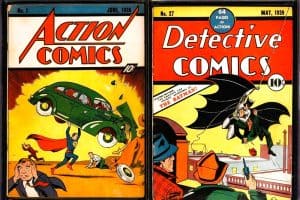
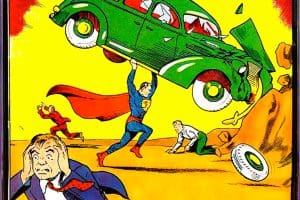
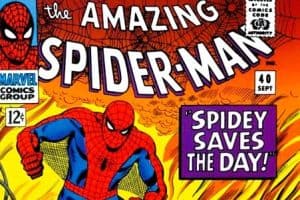
Character debuts rank among the most recognized key issues in comic book collecting. The Library of Congress identifies Action Comics #1 from 1938 as Superman’s debut, Detective Comics #27 from 1939 as Batman’s debut, and All Star Comics #8 from 1941 as Wonder Woman’s debut. The Library also confirms that Amazing Fantasy #15 introduced Spider-Man in 1962, making these issues clear examples of why character introductions can become collecting landmarks.
- Action Comics #1 introduced Superman.
- Detective Comics #27 introduced Batman.
- All Star Comics #8 introduced Wonder Woman.
- Amazing Fantasy #15 introduced Spider-Man.
Cameos And Debuts
First appearances can become complicated when a character appears briefly before receiving a larger role in the next issue. Collectors may distinguish between a cameo, preview, partial appearance, and full debut, which can create competing descriptions for the same sequence of books. Careful research matters because paying a key-issue premium based only on a seller’s description can lead to confusion when grading labels, publisher records, and established collecting references classify the appearance differently.
- Check how the character appears in the story.
- Compare consecutive issues when a debut is disputed.
- Review grading labels for established terminology.
- Verify seller claims before paying a premium.
- Keep cameo and full-appearance distinctions separate.
Villain And Team Keys
A villain debut can become a key comic book when the character develops into a recurring threat with lasting importance to a hero’s history. Team appearances work in a similar way, since collectors may pursue the formation of a group, the arrival of a new member, or the first time a particular lineup appears together. These issues can gain attention from several collecting groups at once, especially when a team includes characters who already have dedicated fan bases.
- Recurring villains tend to attract stronger interest.
- Team formations can create major keys.
- New roster additions may become secondary keys.
- A villain’s popularity can increase demand for an older debut.

Origin And Death Keys
An origin story can create key status even when the character appeared in an earlier comic book. Library of Congress records for Amazing Fantasy #15, for example, document both Spider-Man’s debut and the story of Peter Parker gaining his powers, giving the issue more than one reason for historical significance. Character deaths can also create keys when the story has lasting consequences, although temporary deaths or quick reversals may receive less collector attention over time.
- A debut and origin can occur in the same issue.
- Expanded origins may create later keys.
- Character deaths can mark turning points.
- Long-term story impact influences collector interest.
Costume And Identity Keys
A costume change can create a key when the design becomes associated with an important period in a character’s history. Identity changes work differently because an established superhero name may pass to another person, creating separate collecting milestones for the person’s original debut and the issue where that character adopts the mantle. Collectors following legacy heroes often pursue both books because they document different stages of the character’s development.
- Costume debuts can become collectible milestones.
- New armor or equipment can create secondary keys.
- Legacy identities may produce separate key issues.
- A character debut and mantle debut are not always the same book.
- Long-running costume designs often receive more attention.
Key Comic Scarcity
Scarcity and key status are related but should not be treated as the same thing. A comic book can be historically significant while thousands of copies survive, and an obscure low-print issue can be difficult to find without containing an event collectors consider meaningful. The strongest demand often appears when recognizable significance combines with limited availability, though widespread keys can remain highly desirable because far more collectors want them.
- Rare does not automatically mean key.
- Common keys can still have heavy demand.
- Surviving population affects availability.
- Low print runs can increase scarcity.
Comic Book Condition
Condition affects how much collectors may pay for a key issue, but a lower grade does not erase the event that makes the book significant. CGC reported that an Amazing Fantasy #15 graded 8.0 sold for $290,000 in a 2023 ComicLink auction, while a 4.0 copy in the same sale realized $42,000, demonstrating how grade can create a wide price spread within one recognized key. Collectors evaluating an older comic book should examine completeness, restoration, page quality, cover attachment, and structural defects alongside the numerical grade.
- Grade can cause large price differences.
- Low-grade keys may still have strong demand.
- Missing pages can affect desirability.
- Restoration status deserves separate attention.
- Page quality can help distinguish similar copies.
Key Issue Variants
A key issue can have several covers, printings, newsstand editions, or retailer incentive variants, creating another layer for collectors to study. The underlying event makes the issue a key, while scarcity of a particular cover can create a separate collecting premium. A rare variant is therefore not necessarily a more historically significant comic book, it may simply be a harder version of the same issue to locate.
- Variant covers can have different scarcity levels.
- Newsstand and direct editions may attract separate audiences.
- Retailer incentives can have qualification ratios.
- The story event remains the basis of key status.
Key Issue Reprints
Reprints can reproduce the story and cover artwork of a famous comic book without being the original edition collectors mean when discussing the key. Facsimile editions, anniversary reprints, second printings, and collected editions should therefore be identified before a buyer pays original-edition prices. Publication date, indicia information, cover price, barcode details, printing notation, and publisher records can help distinguish an original from a later reproduction.
- Check the indicia inside the comic.
- Compare publication dates.
- Review printing information.
- Examine barcode and cover-price differences.
- Do not assume familiar artwork means an original printing.
Key Comic Value
Key status can support comic book value, but significance alone does not determine a selling price. Character popularity, condition, scarcity, graded population, restoration, market demand, and recent comparable sales all influence what buyers may pay at a given moment. A useful example comes from Amazing Fantasy #15, which CGC identifies as Spider-Man’s debut and has documented selling across dramatically different price levels depending on grade, showing why collectors should research both historical importance and condition before assigning value.
- Demand influences market price.
- Grade can change value substantially.
- Scarcity affects available supply.
- Character popularity can shift interest.
- Completed sales offer better context than asking prices.
Finding Key Issues
Collectors can identify key issues by comparing publisher histories, certification labels, auction archives, established reference guides, and reputable databases instead of relying on marketplace descriptions alone. The Library of Congress calls its holdings the “largest publicly available comic book collection in the world,” with more than 165,000 print issues, and its records provide useful historical confirmation for landmark appearances. Research becomes especially valuable when a seller uses terms such as major key, minor key, cameo, or first appearance without explaining the basis for that description.
- Verify character appearances through credible references.
- Check grading-company labels.
- Research auction descriptions and completed sales.
- Compare publisher history with marketplace claims.
- Confirm disputed appearances before purchasing.
Building Key Collections
A collector does not need every expensive comic book to build a meaningful key-issue collection. Some people focus on one hero, villain, publisher, era, or type of milestone, while others buy lower-grade copies of major keys so more of the budget can go toward historically significant books. Setting priorities before shopping can prevent a collection from becoming a random group of expensive issues with little connection to the collector’s interests.
- Choose a character or era to focus the collection.
- Mix major and minor keys according to budget.
- Consider lower grades for costly older issues.
- Research significance before purchasing.

Key Issue Takeaways
A key issue comic book matters because something inside it carries significance beyond an ordinary installment in the series. Character debuts receive much of the attention, but origins, villain appearances, deaths, team formations, costume changes, identity shifts, publishing milestones, and creative events can also create key status. Rarity, condition, variants, and market demand influence collectibility and price, yet none of those factors alone determines whether an issue deserves to be called a key.
- Key issues contain meaningful collecting milestones.
- First appearances are among the most recognized keys.
- Major and minor keys serve different collecting interests.
- Rarity does not automatically create key status.
- Condition changes value without changing historical significance.
FAQs
What Makes Comics Key?
A comic book becomes a key when it contains a meaningful character, story, creative, or publishing milestone. Debuts, origins, deaths, costume changes, and team formations are common examples.
Are First Issues Key?
No. An issue #1 can be collectible without containing a milestone that makes it a major key, so collectors should examine what actually happens inside the book.
Are Key Comics Valuable?
Many key issues carry price premiums, but value depends on condition, scarcity, character demand, and available supply. Some minor keys remain inexpensive despite their collecting significance.
Can Modern Comics Key?
Yes. A modern comic book can become a key through a character debut, identity change, major story event, or other milestone that remains relevant to collectors.
Are Reprints Key Issues?
A reprint can reproduce the story from a famous key, but collectors usually distinguish it from the original printing. Printing information should be checked before paying a premium associated with the original edition.